Cheese Pizza in Boulder, Colorado: A Timeless Favorite Reimagined
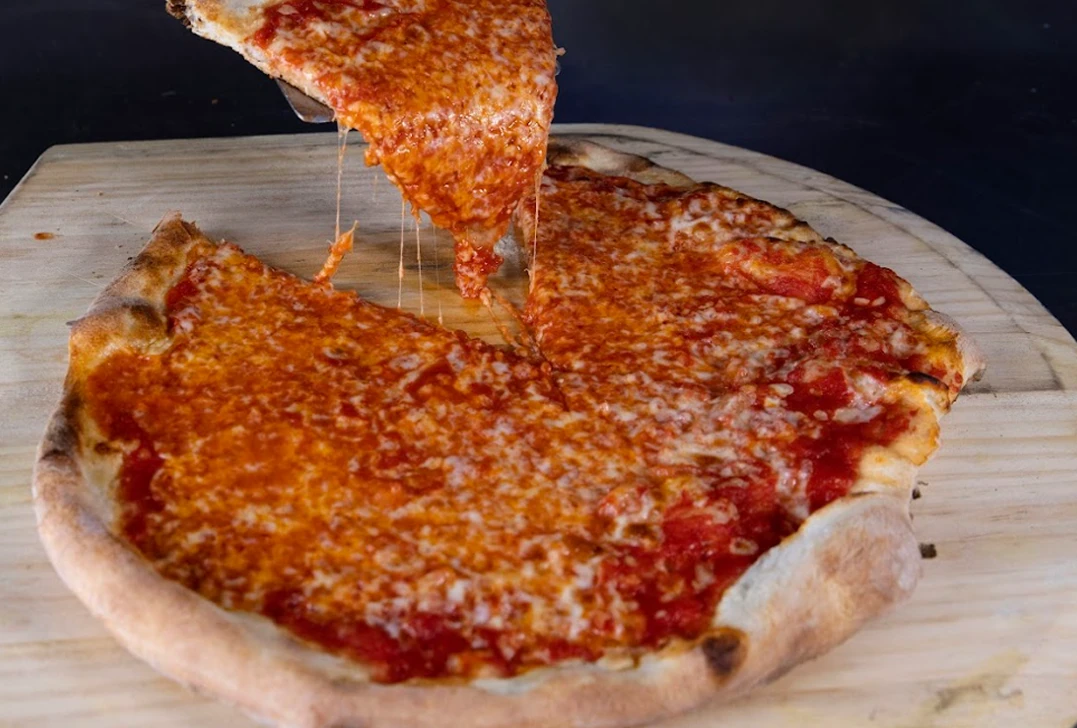
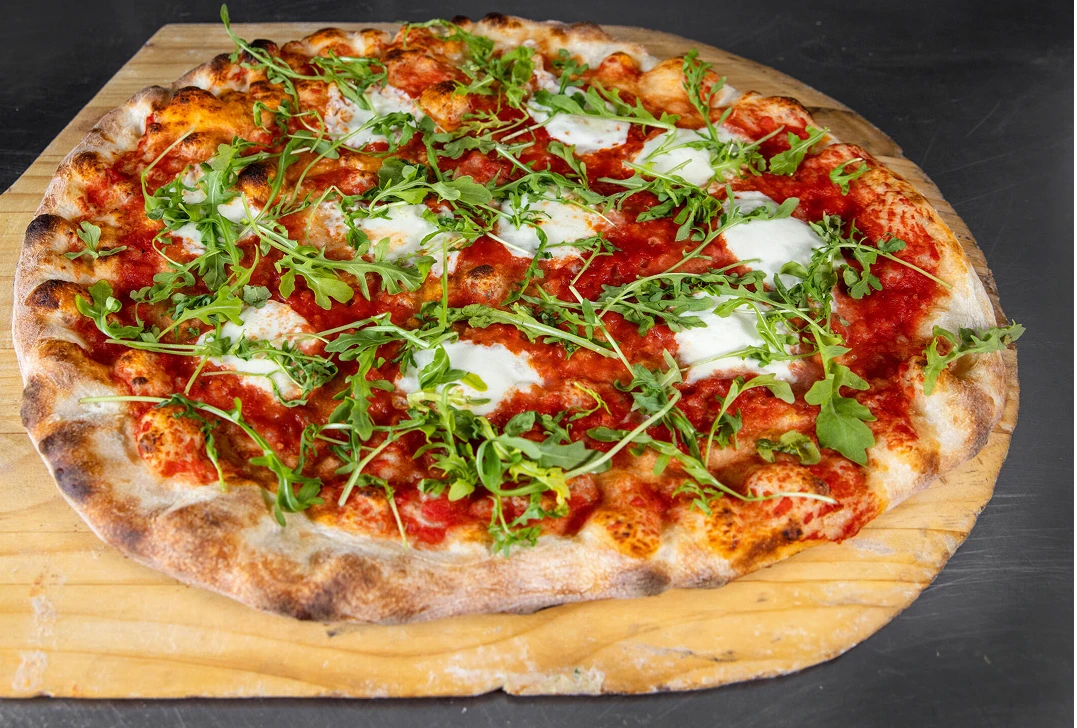
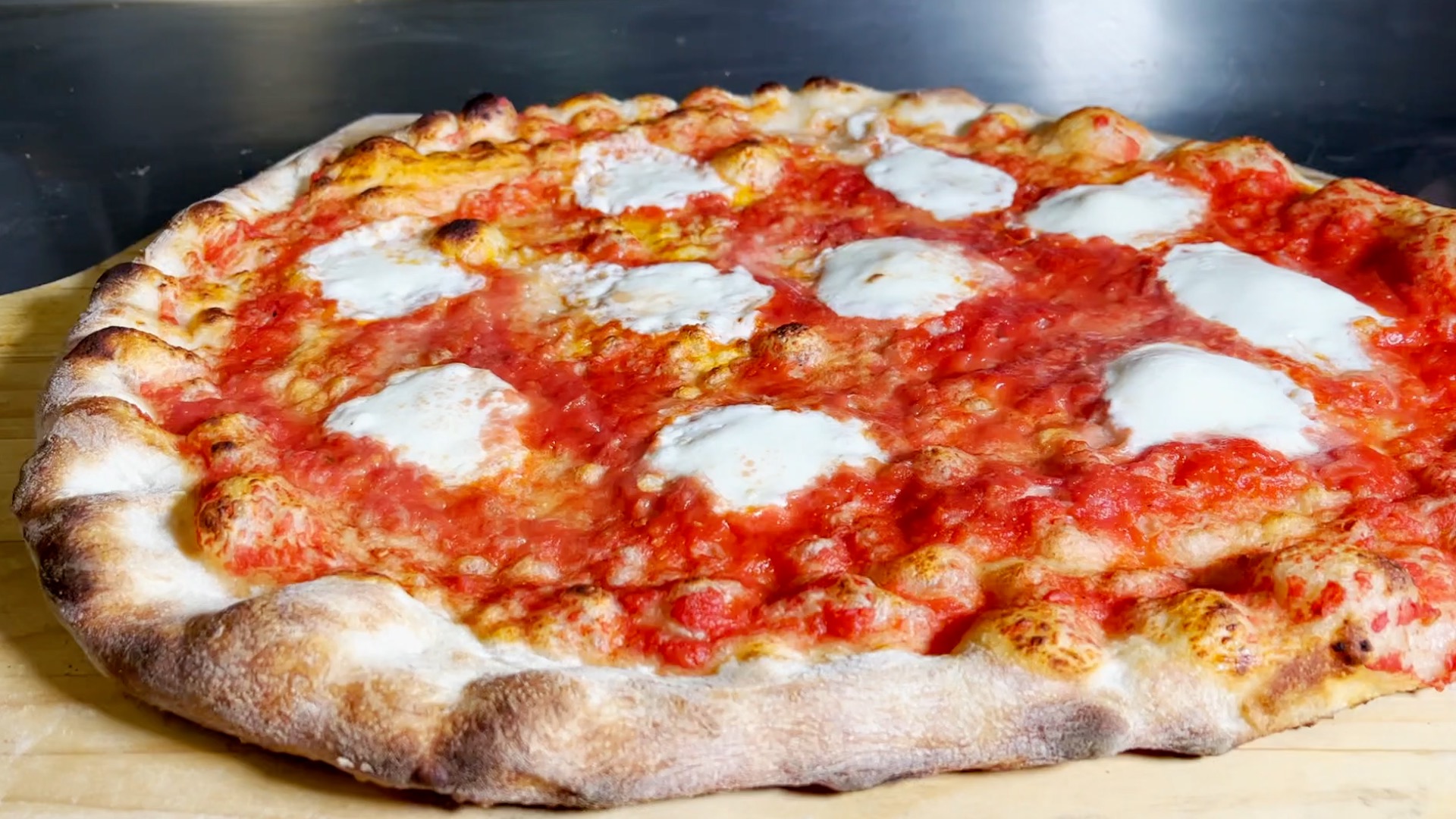
Cheese pizza has a way of disarming people. Mention a loaded pie with house sausage, Calabrian chiles, charred broccolini, or hot honey, and the conversation turns into preference and personality. Mention cheese pizza, and almost everyone has a memory. It is the slice handed to kids after a soccer game, the reliable order during late study nights, the benchmark pie serious cooks use to judge a pizzeria, and the fallback meal that somehow never feels like settling.
In Boulder, Colorado, that simplicity takes on a slightly different life. This is a town where people care about ingredients, altitude, fermentation, texture, and sourcing in a way that can sound almost academic until the pizza lands on the table and the first bite explains everything. A plain cheese pizza here is rarely plain. It is often a test of restraint, technique, and confidence. If a kitchen can make dough, sauce, and cheese taste complete without hiding behind toppings, it usually knows what it is doing.
That is why Cheese Pizza Boulder, Colorado remains such a useful phrase, whether you are a local deciding where to order on a cold evening or a visitor trying to understand the food culture beyond the obvious trail snacks, breweries, and farm-forward menus. In this town, cheese pizza is both comfort food and craft project. The best versions honor both.
Why a simple pie says so much
Anyone who has spent time around pizzerias learns the same lesson quickly. The more minimal the pizza, the more exposed every decision becomes. There is nowhere for an under-seasoned sauce to hide. A dough that lacks flavor cannot lean on fennel sausage or pickled peppers for help. Cheese that breaks greasy or scorches unevenly will announce itself in the first minute.
With cheese pizza, the fundamentals have to carry the whole experience. That starts with the crust, but not in the simplistic thick-versus-thin way people often frame it. The real question is balance. A good crust in Boulder has to stand up to a generous layer of mozzarella without turning leathery, and it has to retain enough moisture inside to feel alive rather than brittle. At altitude, that can be trickier than many diners realize.
Boulder sits high enough above sea level that dough behaves differently. Water evaporates faster. Fermentation can speed up or become less predictable depending on the recipe, room conditions, and handling. Bakers who move here from coastal cities often need time to recalibrate. The flour blend, hydration level, yeast quantity, proofing schedule, and bake temperature all become part of a delicate negotiation. When that process is dialed in, the result is a crust with real character, crisp at the edge, supple beneath the cheese, and flavorful enough to matter on its own.
The sauce matters just as much. Great cheese pizza sauce is not merely tomato spread thinly across dough. It needs acidity, sweetness, salt, and enough concentration to survive the heat of the oven without vanishing. In Boulder, where many diners prefer cleaner flavors and less sugar, stronger tomato character tends to do well. A bright, lightly seasoned sauce often outperforms a heavily doctored one because it leaves space for the dairy to speak.
Then there is the cheese itself. Mozzarella may sound simple until you start paying attention to moisture content, milk source, shredding method, and bake behavior. Low-moisture mozzarella gives that classic stretch and browning. Fresh mozzarella offers softer pockets and a milky finish, but if handled poorly it can flood the center and mute the crust. Some of the best cheese pizzas use a blend, often with a little provolone, Parmesan, or pecorino for sharper edges. That kind of layering can turn a one-note pie into something surprisingly dimensional.
Boulder’s food culture makes room for classics
Boulder has never been a city that treats food casually. For a place of its size, it punches above its weight in culinary ambition. There is a long-standing appreciation here for local produce, natural fermentation, high-quality dairy, and thoughtful sourcing. You can see that mindset in bakeries, coffee roasters, breweries, farmers market stalls, and yes, pizza shops.
That culture changes the expectations around a staple like cheese pizza. Diners in Boulder tend to notice if the crust is made with better flour, if the tomatoes taste less processed, if the cheese has actual depth instead of anonymous melt. Even when they are ordering for convenience, they still value quality. A Tuesday night delivery pie might still be judged with the same instincts someone brings to a sit-down dinner.
There is also the practical side of life here. Boulder is active, busy, and often outdoors until the weather pushes people back inside. After a day of hiking, climbing, biking, skiing in the broader region, or simply moving from one obligation to the next, a cheese pizza meets the moment. It is filling without requiring thought. It works for families, students, professionals, and groups with mixed tastes. It also pairs with almost everything people in town already enjoy, from crisp lagers to natural wines to sparkling water after a long ride.
That flexibility helps explain why cheese pizza remains so relevant even in a market full of inventive toppings and dietary customization. When people really want pizza, not just a vehicle for ingredients, they often circle back to cheese.
What altitude does to pizza, and why Boulder shops adapt
People talk about high-altitude baking as though it applies mainly to cakes and muffins, but pizza dough feels it too. The science is not mysterious, though the execution can be finicky. Lower air pressure affects how gases expand during proofing and baking. Water boils at a lower temperature, which can influence moisture loss. Dough can overproof more quickly or dry out at the edges if a kitchen runs hot and arid, which many Front Range spaces do.
An experienced pizza maker in Boulder learns to compensate in quiet ways. Hydration may need a nudge upward. Fermentation times can shift. Salt percentages might be adjusted to keep dough strength and flavor in line. Some shops rely on longer cold ferments to deepen flavor while keeping structure under control. Others prefer dough formulas that are a little more forgiving under daily swings in humidity and temperature.
These choices matter most on a cheese pizza because the dough occupies so much of the sensory experience. A top-heavy specialty pie can sometimes mask a crust that is merely adequate. Cheese pizza cannot. If the rim blisters beautifully but tastes bland, you notice. If the center sags from poor structure, you notice. If the underside lacks color, you notice. That is why seasoned pizza people often order plain first. It is the clearest read on whether a kitchen understands its own oven, its dough, and its environment.
In Boulder, where weather can swing and kitchens often take pride in craft, the best pizza shops treat altitude not as an excuse but as a design condition. That practical humility tends to produce better pies.
The many personalities of a cheese pizza
Cheese pizza is not one thing. That becomes obvious the moment you compare styles. In Boulder, you are likely to encounter a few different interpretations, each legitimate when done well.
A New York-inspired slice aims for foldability, a crisp underside, and enough chew to support a broad triangle without going floppy. The sauce is usually assertive enough to cut through the cheese, and the whole slice works best when eaten hot, fast, and with very little ceremony.
A Neapolitan-leaning pie moves in another direction. The crust puffs with air, the center stays softer, and the bake brings leopard spotting rather than deep crunch. On a cheese pizza, this style can feel almost minimalist, less about abundance and more about ingredient clarity. Good versions taste vivid and fresh. Poor versions can come off watery or underbaked.
Then there are modern artisanal pies, often wood-fired or deck-oven baked, that borrow from several traditions at once. These may use heritage flour, natural starter, fior di latte, or a measured finishing cheese after the bake. In Boulder, this hybrid approach fits the local sensibility particularly well because it allows tradition and experimentation to share the same plate.
Even pan pizzas and Detroit-style versions have something to say in the cheese category. Their caramelized edge, richer crumb, and more substantial bite can make a straightforward cheese pie feel deeply satisfying, especially in colder months. What matters is not style hierarchy but coherence. The dough, sauce, cheese, and bake all need to be pulling in the same direction.
What separates an average cheese pizza from a great one
The gap between acceptable and memorable is smaller than many restaurant owners think, but it is also harder to cross than many customers realize. Great cheese pizza depends on details that seem minor until they accumulate.
One of those details is cheese distribution. Too sparse, and the pie eats dry and fragmented. Too heavy, and everything turns dense, greasy, and strangely muted. The sweet spot allows pockets of browning, visible sauce in places, and enough elasticity to make each bite feel connected.
Another is sauce placement. A thoughtful pizza maker leaves enough margin near the rim to preserve oven spring and textural contrast. When sauce spreads too far, the crust struggles to develop fully. When it stays too confined, the slice can taste dry near the center. There is a geometry to a great cheese pizza, and good shops respect it whether or not diners consciously notice.
Bake timing also matters more than people think. Thirty extra seconds in a hot oven can move a pie from supple to overdone. Pull it too early, and the cheese remains pale and under-set, the crust blond and flat in flavor. On a busy night, consistency becomes the real test. Producing one excellent cheese pizza during a lull is not the same as producing fifty in a dinner rush while delivery tickets stack up and oven space tightens.
I have watched experienced pizza cooks check a pie with a glance, a slight lift of the peel, and a fingertip near the rim. It looks casual from the dining room. It is not. That calm comes from repetition and a strong internal standard. The best shops in any city, Boulder included, are usually defined less by one flashy innovation than by the ability to hit that standard over and over.
Why cheese pizza remains the smartest order for groups
There is a practical reason cheese pizza endures, and it has little to do with nostalgia. It solves problems. In mixed groups, it is the one pie almost everyone can agree on. It avoids the friction of toppings people love, tolerate, or pick off reluctantly. It travels well. It reheats well. It gives parents a safe order for children and still leaves adults perfectly happy to take a slice.
That broad appeal matters in Boulder, where the dining crowd is unusually varied for a relatively compact city. Cheese Pizza Boulder, Colorado On any given evening, a pizzeria may be serving university students, young families, runners fresh off the trails, longtime locals, and tourists who spent the day driving mountain roads. Cheese pizza meets all of them where they are.
It also makes economic sense. Specialty pies can become expensive quickly, especially if a place uses high-quality ingredients. A cheese pie often offers the best value because you are paying for the shop’s core craftsmanship rather than a pile of add-ons. For customers who care about where their money goes, that can be a satisfying equation.
Pairing and occasion matter more than people admit
Cheese pizza changes character depending on when and how you eat it. Midday, a crisp slice with bright tomato sauce can feel light and sharp, especially with a simple salad or sparkling water. At night, the same pizza next to a cold lager or a mellow red wine reads as comforting and substantial. On a snowy evening, a slightly thicker crust and heavier mozzarella can feel exactly right. On a warm afternoon after a long hike, something thinner and cleaner may win.
Boulder’s seasons make these shifts especially noticeable. Winter tends to favor richer, more molten pies, the kind that warm your hands through the box. Spring and summer bring out the appeal of lighter bakes with fresher tomato character. Fall is often the sweet spot, cool enough to crave pizza, mild enough to appreciate subtlety.
This is one reason locals can become fiercely loyal to a specific style or shop. They are not just choosing a product. They are choosing how they want that moment to feel.
The home pizza boom changed expectations
Over the past several years, more people in Boulder have started making pizza at home, often with baking steels, outdoor ovens, or long-fermented dough recipes. That has had an interesting effect on the local market. Diners are more informed now. They understand terms like hydration, cold proof, and leopard spotting. They can tell when a crust lacks flavor. They know that good mozzarella should melt cleanly rather than congeal into rubber.
For pizzerias, this creates both pressure and opportunity. The pressure is obvious. Customers compare restaurant pizza not only with other shops, but with what they have learned to make themselves. The opportunity is more interesting. A truly excellent cheese pizza can exceed even a serious home cook’s result because commercial ovens offer heat retention and consistency that are difficult to replicate at home.
That is where Boulder’s stronger pizza kitchens can shine. When they deliver a pie with nuanced fermentation, balanced salinity, and a bake that hits the exact line between tenderness and char, people notice. The simplest pizza becomes the strongest argument for ordering out.
What to pay attention to when you take the first bite
Most people know whether they like a pizza immediately, but it helps to know why. With cheese pizza, the first bite gives a lot away. The aroma should arrive before the slice reaches your mouth, warm dairy, toasted crust, tomato lifted by heat. The tip should hold together long enough to bite cleanly, even if the slice has some softness. The sauce should register clearly without overwhelming the cheese. The crust should offer contrast, a little resistance at the edge, some tenderness within.
After that first bite, the best cheese pizzas usually reveal a second layer of pleasure. Maybe it is the slight tang of a longer fermentation. Maybe it is the nuttiness of a finishing cheese. Cheese Pizza Boulder, Colorado Maybe it is the way the sauce brightens as the pie cools a little. Those nuances matter because they keep the pizza interesting beyond the initial comfort factor.
If all you taste is salt and fat, the pizza may satisfy hunger but it will not linger in memory. Good cheese pizza does linger. Not because it is flashy, but because each component keeps doing quiet work.
Boulder’s version of a classic still honors the original point
There is always a temptation in food-forward towns to overcomplicate the familiar. Sometimes that instinct produces excellent results. Sometimes it produces a dish so self-aware it forgets why people loved it to begin with. Cheese pizza has survived every culinary trend precisely because its appeal is fundamental. Bread, tomato, cheese, heat. That formula does not need reinvention so much as careful handling.
Boulder tends to be at its best with cheese pizza when it respects that truth. Use better flour if it improves texture and flavor. Source stronger dairy if it melts well and tastes fuller. Adjust the dough for altitude. Bake with precision. Let local sensibilities shape the pie without turning it into a thesis statement.
That is the sweet spot, and it is why Cheese Pizza Boulder, Colorado is more than a basic search term. It describes a category with real depth. In one town, one of the most familiar foods in America becomes a quiet showcase for craft, place, and judgment. Not every pie reaches that level, of course. Some are simply dinner, and that is fine. But when a Boulder pizzeria gets a cheese pizza exactly right, it reminds you how much satisfaction can live inside apparent simplicity.
A great cheese pizza does not ask for admiration. It earns it anyway.
Brooklyn Pizza
Address: 1647 Arapahoe Ave, Boulder, CO 80302
Phone number: +17203282324
FAQ About Cheese Pizza Boulder, Colorado
What is usually on a cheese pizza?
A standard cheese pizza consists of a yeast dough crust, a seasoned tomato-based sauce, and melted mozzarella cheese.
What is a cheese pizza called?
A basic cheese pizza is simply called a cheese pizza, a plain pizza, or a plain pie.
What is the best recipe for cheese pizza?
The best cheese pizza recipe uses high-heat baking, a simple raw tomato sauce, and a mix of low-moisture and fresh mozzarella cheese on a homemade yeast dough.